Bill Orcutt played with JPC & The Battery at the Pearl
A good old next-day piece from my encounter with a guitar legend last night

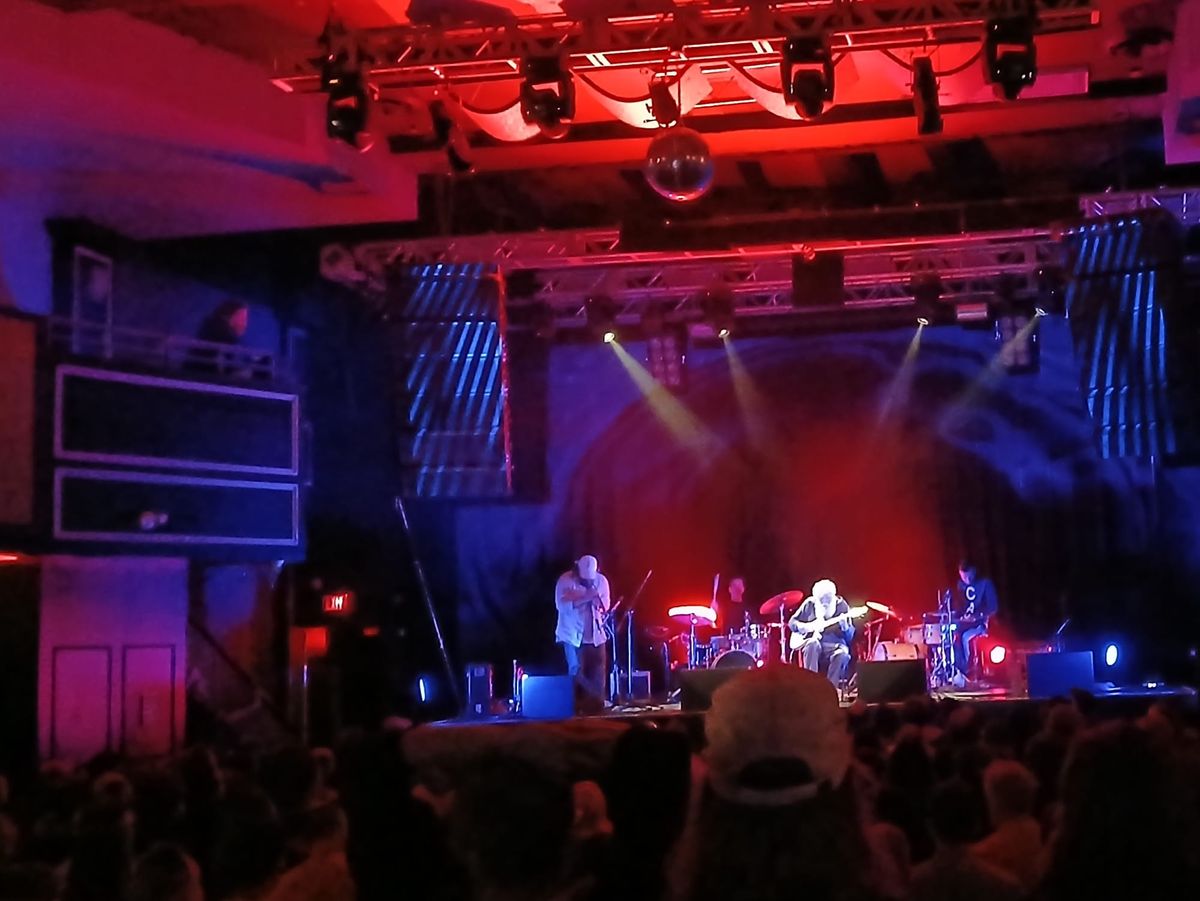
It was the show so nice, they changed the venue twice: Infidels Jazz originally booked American improvising guitarist Bill Orcutt at Hero's Welcome on August 7th for his first Vancouver show in three decades. Then the show moved about a week or two after announcement to the Kingsway Club, a bigger space. Then, late last month, it moved to the Pearl because the Kings dropped out of the picture altogether.
Orcutt will return to town merely one month from now, as part of a trio with former Comets On Fire member Ethan Miller and former Sonic Youth drummer Steve Shelley, on September 9 at the Rickshaw (also moved from the Kingsway Club) with support from Infidels band KneeJerk. Their upcoming album, Orcutt Shelley Miller, drops on September 5.
I wrote to you about the last two times I went to the Pearl, both for Infidels shows in 2024. At one, I happened to hear frequent Orcutt collaborator Chris Corsano on drums, with Aram Bajakian rounding out the improv duo, opening for Mike WT Allen's Space Elevator. The other? It's coming again soon, but to the Hollywood...
Anyway, I went back to Granville Street last night to hear Orcutt, living up to the stereotype of "guitar people" who buy single tickets to skronky shows because their spouses have other plans. The youths were at McDonald's and Popeye's refueling from clubbing when I got out, but lucky me, I'd been in a club full of guitar nerds sat down in chairs.
The opening band, JP Carter's JPC and the Battery, was Carter plus two drummers: John Brennan and Cesar Chew. This band had played the jazzfest, but I was playing while they were playing, so I appreciated the second chance to hear them this summer. (They also played at 8EAST in December 2024 and at Hot Deli in March of this year.)
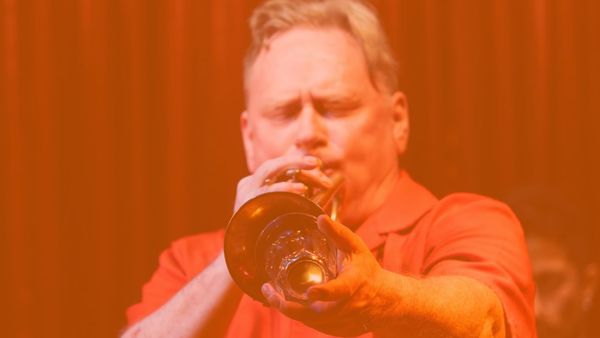
Carter's improvised music feels elemental. Instead of melodies to grab onto, you get a journey through washes of water and blasts of air. There are even altitudes to the journey. Carter looks like a mountain man, and his most serene sounds have an alpine loneliness. The crunching depths of the aggressive moments evoke dangerous ocean floors, on the other end.
The Earth element comes from the drummers: at the show Brennan looked stoic, Chew looked relaxed as he switched between traditional left-hand grip and matched grip. They were a shifting terrain for Carter to move over. Most often they followed the dynamic that Carter led with his pocket trumpet and electronic board, but sometimes they took the initiative with repeated phrases that amped up the volume. Nobody took full-on solos.
Orcutt has his own label called Palilalia Records; the name comes from a speech disorder of repetition. He's famously prolific, with dozens of albums and cassette releases to his name. I came into his set expecting something like the gospel-shred sunrise of How to Rescue Things, his latest solo record.
I also figured he'd go by what he said in this Stereogum interview by Ted Davis about his Four Guitars project: "Solo, I wouldn’t use any pedals." (Turns out the opening bandleader used them all.)
Indeed, he didn't, but we still heard special effects right from the start of his set. The thing is, they weren't planned: Orcutt's amp fuzzed out, strangled notes before their endless sustains could ring, and at times stopped providing sound altogether. He bantered about it between songs and powered through it. To me and my friends, it sounded at first like an intentional noise device.
One riff that resembled the Beastie Boys' "Sabotage" lingered in my mind as I went home. Orcutt's set was improv, not a recital of compositions. Every two-note harmony between his strings sounded so in-tune that it could ring out forever, no dissonance. He played the blues and kept jumping to new riffs and key centres. Although he paused a couple times for our applause, there was a continuous flow to it all.
The guitar kept flowing even while Carter, Brennan and Chew got back on stage to join Orcutt. The four-piece improv band kicked into high gear quickly and played what felt like just a few minutes of intense bashing. They brought that fourth element: fire. The scooped, incisive tone of Orcutt's guitar slotted him nicely into the now-chaotic mix, with Carter's verbed-out trumpet staying audible even while the drummers played loud.
And just like that, despite the uncertain and spread-out clappers trying for an encore, it was over. What I had found in Orcutt's recorded work, which has many chapters I still haven't heard, was that it always believes you can get to the eye of the storm and find some beauty, no matter what's happening. As he sat and played live for us, I felt that conviction in the room. When people say rock guitarists are wailing or crying, I think that's what they're doing. Playing the blues, right? Last night I came to this concert with turbulence in my spirit, and Orcutt met me right where I was.